
During Mark’s 20 years as a pastor, he was regularly approached by couples in our church seeking marriage help. Sometimes, he knew exactly what advice and spiritual direction to offer, but at other times he felt completely out of his depth.
Many church leaders across the country find themselves in a similar position. Over 90% of pastors report that they provide counseling for couples in crisis, but more than half of those pastors say they don’t feel fully qualified to fulfill this role (Source).
The good news is that you don’t have to have all the answers to make a meaningful difference.
If God has given you a heart to invest in marriages, the right tools, training, and biblical framework can equip you to walk alongside couples with wisdom and confidence.
The local church is uniquely positioned to be an anchor for couples as they weather the storms of life. According to a recent study by Barna, Christians are just as likely to go through divorce as non-Christians. It’s clear that even the strongest couples can benefit from consistent help, encouragement, and support from their faith community.
Whether you are a church leader or an involved member of the congregation who has a passion for supporting marriages, here are 5 steps you can take to strengthen your church’s marriage ministry:
1) Create a Culture of Receiving Support
Many couples walk through life feeling an immense pressure to put on a mask of being “perfect.”
When this happens, small problems get pushed further and further down due to the fear of shattering their image. When couples are more worried about how they appear on the outside than how they are really doing behind closed doors, marriages start to crumble. Challenges get hidden away in the shadows instead of addressed. Couples start to feel as if they’re the only ones facing obstacles in their marriage, which can lead them to isolate themselves even more from their community.
Within our churches, we have a tremendous opportunity to normalize being open, honest, and vulnerable about our struggles so that we can give and receive helpful guidance to one another.
There are so many ways that your church can encourage this kind of environment. You might consider starting a mentorship program where newlyweds are matched with more seasoned couples, or encourage recently engaged couples to join a small group for married couples as a way of gaining premarital support.
One of the best ways to lay the groundwork for a supportive and open environment is simply to discuss marriage honestly from the pulpit and in everyday conversation.
2) Build Strong Marriage Communities
Your church likely already offers established small groups for deeper Bible study, sermon discussion, and building connection with the greater church community.
Organizing specific groups curated for couples is a great way to offer ongoing support for the marriage struggles your members may be facing.
Some examples of marriage-specific small group categories could include:
- Just married
- New parents
- New moms
- New dads
- Empty nesters
- Grandparents
You’ll want to consider the unique demographic at your church to determine what kinds of marriage groups will best serve your members. The goal is to create a network of support for major life shifts that could be challenging for a couple to navigate.
These kinds of groups are a great way to help couples engage with others in similar life circumstances and receive guidance from a facilitator with sound marriage and biblical counsel for that season of life.
3) Take Advantage of Available Resources
There are so many wonderful books, podcasts, and Bible studies out there on the topic of marriage. Thanks to this abundance of resources, you don’t have to feel pressure to be an expert on every topic a couple may need guidance on. In many cases, you can facilitate discussion and foster growth by taking advantage of the resources that marriage experts or leading voices in the faith community have already created.
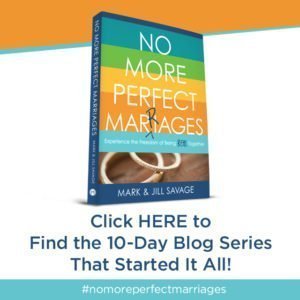
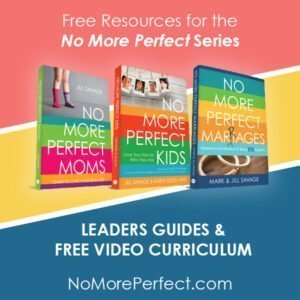
If your church already has marriage-focused small groups, or you’re considering starting one, using intentional resources can provide helpful structure and encourage meaningful conversations. Consider walking through a book, video series, devotional, or discussion guide centered on a common marriage topic. Having a trusted facilitator can also create a safe space where couples feel comfortable opening up, learning from one another, and building lasting relationships. Our No More Perfect Marriages book has a leader’s guide in the back to make it easy to use in small groups. It also has free small group curriculum that can be found on YouTube or in Right Now Media, if your church has a subscription.
A more intentional approach to marriage ministry helps normalize the idea that healthy marriages are nurtured long before a crisis arises. As couples consistently invest in their relationships and connect with others who are walking a similar journey, they gain wisdom, encouragement, accountability, and the support they need to build marriages that last.
4) Support Couples So They Can Reconnect
The everyday pressure of life can really wear on a marriage. There are schedules to juggle, meals to plan, yardwork to be done, and if you have kids, your to-do list is practically never-ending.
The Gottman Institute reports that 2 in 3 couples experience a decline in their relationship satisfaction during the first three years of having a baby. While parenting is not the only stressor that can wear on a marriage, it’s certainly one of the bigger ones.
Your church can help offer couples practical help to reconnect with one another by facilitating date nights for the families at your church. This could be anything from offering child care at your church’s facilities once a month to hosting a full date night with dinner included. Many churches plan a once a year marriage seminar and our No More Perfect Marriages Seminar is perfect for that. If that interests you, you can request info about bringing a seminar to your church here.
5) Identify Couples with a Passion for Mentoring
One of the most powerful tools at your disposal for offering more support for marriages is other couples who have lived through the challenges of marriage.
These are likely people who have a strong faith, a passion for helping others, a strong support system themselves, and they may even be in a leadership position at your church. They don’t need a perfect marriage or a counseling degree to make a difference. The most important requirement is the desire to help other couples in their marriages.
With the help and guidance of church leadership, plus dedicated training to serve as a coach or mentor, these couples can step up and fulfill a crucial role as a pillar of marriage support in your church community.
Invest in Christian Marriage Training
What if your church was better equipped to invest in marriages before they reached a crisis?
What if more couples had trusted, trained mentors walking alongside them with the support, encouragement, and biblical guidance they needed to build healthy, lasting marriages?
Each year, we invite a new cohort of individuals and couples into our Creating 2.0 Marriages: Marriage Mentor & Certified Marriage Coach Training program. We’ve had the privilege of seeing past participants go on to become trusted mentors and pillars of support within their churches. Some have launched marriage ministries, others have begun mentoring couples one-on-one, and many have shared stories of stronger marriages and lives changed because they chose to walk alongside others. We love hearing those stories—and we’d love to see what God might do through you.
Our next training cohort begins August 31, 2026, and we’d love to help you explore whether it’s the right fit for you. Join us for our free live information session on August 10 where you’ll learn what the training includes, what to expect from the cohort, and how you can begin making a lasting impact in the lives of couples in your church and community.
If you’d like to start learning today, download our free guide, Your Path to Becoming a Christian Marriage Coach, where you’ll discover how to:
- Start building a community (even if you’re starting from scratch)
- Heal and strengthen marriages (even if your own has struggled in the past)
- Mentor with skill and confidence (even without formal training)